No lectures. No scare tactics. Just the facts you need to make smart choices — straight from a pharmacist.
You're going to hear a lot about drugs and alcohol in middle and high school. Some of it will be lies. Here's what's actually true — straight from a pharmacist with 26 years of experience.
Dr. Hamide works with medications and substances daily. Even legal, prescribed drugs can be dangerous when misused. Alcohol and recreational drugs affect your developing brain in ways most people don't understand until it's too late.
The prefrontal cortex — the part that controls decision-making and judgment — isn't done growing until your mid-20s. Substances literally rewire it during this critical window.
Despite what social media shows, the majority of teens do NOT use drugs or drink. You're not the odd one out for choosing to stay clean — you're actually in the majority.
Today, marijuana, pills, and other substances are increasingly laced with fentanyl — often without the user's knowledge. A single contaminated dose can be fatal. Visit the Fentanyl section to learn more.
This is the most important section on this site. Fentanyl is now the leading cause of death for Americans aged 18–45. As a pharmacist, Dr. Hamide wants you to understand exactly what it is and why it changes everything.
Fentanyl is a synthetic opioid that is 50–100 times more potent than morphine. It was originally developed for severe cancer pain and is only legally available by prescription in a hospital or clinical setting. Illicit fentanyl — the kind showing up in street drugs — is manufactured illegally and has no quality control whatsoever. A dose the size of a few grains of salt is enough to kill an adult.
Naloxone is a medication that can reverse a fentanyl or opioid overdose within minutes. It is available without a prescription at most pharmacies. Knowing how to use it could save a life — including your own or someone you love.
Signs of an opioid overdose: unresponsive, slow or stopped breathing, blue lips or fingertips, gurgling or choking sounds, pinpoint pupils.
Most states have Good Samaritan laws that protect you from prosecution if you call 911 for an overdose. Call anyway. A life is worth more than a legal risk.
Drugs and alcohol don't just make you feel different in the moment — they physically alter your brain chemistry, sometimes permanently.
The last part of the brain to fully develop (mid-20s). Alcohol and drugs impair it immediately — and chronic use can stunt its development permanently, affecting your decision-making for the rest of your life.
THC and alcohol directly damage the hippocampus in teens. Studies show reduced memory formation, lower academic performance, and slower processing speed — even after stopping use.
Drugs flood this area with 2–10x the normal dopamine. Over time, your brain stops producing dopamine naturally, making everyday things feel joyless. This is the core mechanism of addiction.
Chronic substance use reshapes the amygdala, increasing anxiety, depression, and emotional instability. Many use drugs to feel better, but they ultimately make mental health significantly worse.
Alcohol directly impairs the cerebellum, causing slurred speech, loss of balance, and impaired coordination — which is why drunk driving is so deadly. Even one drink affects motor control.
Opioids, alcohol, and depressants can slow breathing to dangerous levels. Many overdose deaths occur because the brain stem can no longer maintain basic life functions.
You've heard the lines. Let's break them down with actual facts. Click each myth to see the truth.
Real-world responses to real situations — no judgment, just tools that actually work.
8 questions based on real science and real situations — including fentanyl.
Whether it's for you or someone you care about — asking for help is one of the strongest things a person can do.
Free, confidential, 24/7 treatment referral and information for substance use disorders.
Text HOME to 741741 anytime, 24/7 to connect with a trained crisis counselor. Free and confidential.
Suspected overdose or exposure to a dangerous substance — call immediately, 24/7.
Pharmacists are some of the most accessible healthcare providers. We're trained to have confidential conversations without judgment.
Your school counselor can connect you with resources confidentially. You don't have to say who it's for.
The National Institute on Drug Abuse's teen-focused site. Real science, real stories, interactive tools.
The adults in a young person's life are their most powerful protective factor. This section gives you the tools to start real conversations, recognize warning signs, and respond effectively.
Research consistently shows that teens who have open, honest conversations with their parents about drugs and alcohol are significantly less likely to use them. You don't need to be perfect — you just need to show up and talk.
Avoid lectures. Ask questions and listen. Try these conversation starters:
No single sign confirms substance use, but patterns of the following warrant a conversation:
Establish a code word or phrase your child can text you from any situation — no questions asked, you'll come get them. This gives them a face-saving exit from peer pressure situations and keeps communication open.
You spend more waking hours with students than almost anyone else in their lives. You're often the first to notice when something is wrong — and one of the most trusted adults a teen can turn to.
Follow your school's protocol, but also consider:
The drug landscape has fundamentally changed. The conversation you need to have with young people today is not the same one that was needed 10 years ago. Fentanyl has made any experimentation potentially fatal — including a first-time use.
Every adult who works with or cares for teens should know these steps.
Trusted external resources for parents and educators. All links lead to official government or nonprofit organizations.
Official DEA campaign on counterfeit pills and fentanyl. Resources for parents, educators, and teens.
Visit Site →The National Institute on Drug Abuse's science-based resource hub for teens, parents, and teachers.
Visit Site →Treatment locator, helpline, and family guides for substance use disorders. Free and confidential.
Visit Site →Find where to get naloxone near you — available without a prescription at most major pharmacies.
Visit Site →Helpline and coaching for parents concerned about a child's substance use. Real support, not just info.
Visit Site →Information on fentanyl test strips and harm reduction resources by state.
Visit Site →A personal commitment to protect your brain, your future, and the people who count on you.
Meet Dr. Jason Hamide and Dr. Amy Hamide — the pharmacists and parents behind this program.
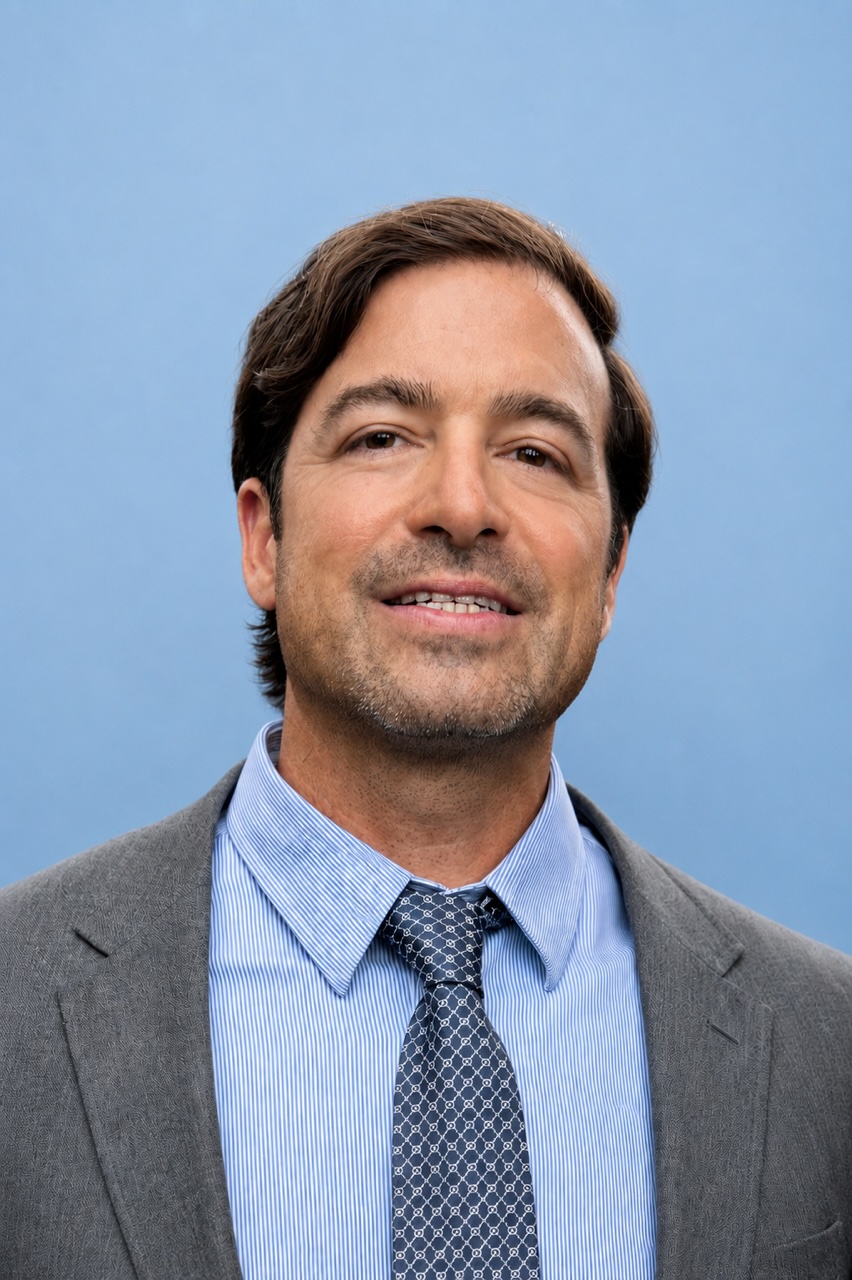
Doctor of Pharmacy · 26 Years of Practice
My name is Jason Hamide, and I have dedicated the past 26 years of my life to pharmacy practice in both retail and hospice settings. I earned my Doctor of Pharmacy degree from Xavier University of Louisiana — an institution renowned for producing some of the nation's finest healthcare professionals.
My passion for health extends well beyond the pharmacy counter. Since high school, I have pursued an in-depth study of nutrition and its role in overall wellness. Throughout my career, I have had the privilege of guiding patients through some of their most challenging health struggles — including dependence on pain and anxiety medications — helping them reclaim their lives through education, support, and evidence-based strategies.
In recent years, I have witnessed a deeply alarming trend: the rise of dangerous drug use among young people. Most troubling is the widespread introduction of fentanyl into the illicit drug supply. Today, substances that teens may perceive as relatively harmless — including marijuana and counterfeit pills — are increasingly laced with fentanyl, often without the user's knowledge. The consequences can be fatal.
This program exists because of that reality. My goal is to equip young people — and the adults in their lives — with the knowledge and tools to make informed, life-saving decisions. Because in today's environment, education isn't just valuable. It's survival.
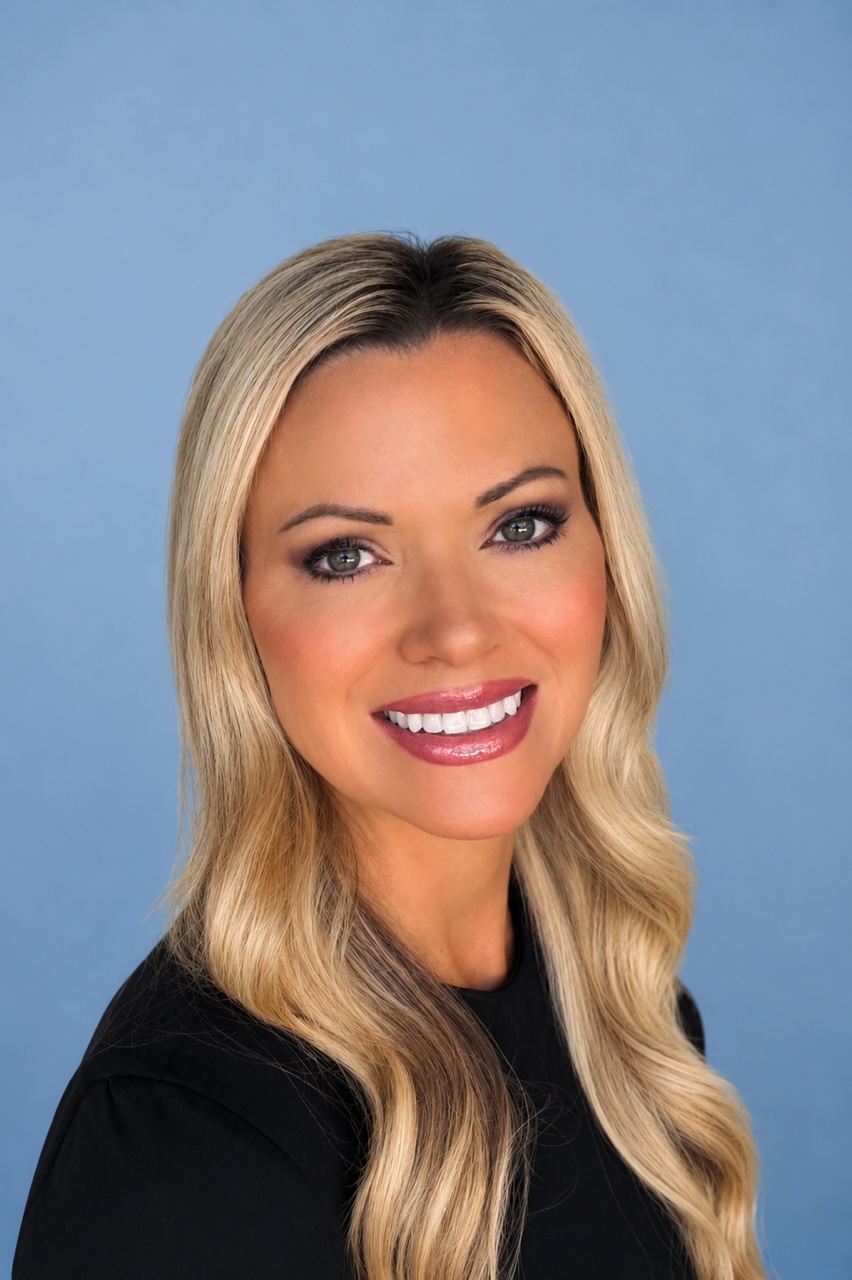
Doctor of Pharmacy · Xavier University of Louisiana, 2004
My name is Dr. Amy Hamide. I'm a pharmacist who earned my PharmD degree from Xavier University of Louisiana in 2004. Over the years, I've not only worked in healthcare, but I've also raised three teenagers of my own.
As both a parent and a healthcare professional, I understand how difficult it can be for kids and teens to navigate the pressures and dangers they face today. One of the growing threats young people encounter is the rise of dangerous drugs like fentanyl. Many teens are exposed to misinformation online, peer pressure, or substances they don't fully understand.
That's why we created this website — to provide honest, age-appropriate education that helps kids make informed, safe decisions.